Diesel excavators remain the backbone of medium-to-heavy earthmoving and mining operations. Fleet and procurement managers must balance uptime, regulatory compliance, and total cost of ownership. Below are technical answers to the most common pre-sales and post-sales questions about modern diesel excavators.
The maximum operating payload of a standard 20-metric-ton diesel excavator is approximately 3,500 to 4,500 kg (7,700 to 9,900 lbs) at ground level with a standard bucket. This figure depends on arm geometry, hydraulic pressure (typically 34-38 MPa), and lift capacity charts. Always consult the machine's load moment indicator (LMI) chart before any critical lift.
Most new diesel excavators sold in North America and Europe must comply with Tier 4 Final (US EPA) or Stage V (EU) emissions standards, which reduce particulate matter (PM) and NOx by over 90% compared to Tier 3 models. Compliance is achieved through diesel particulate filters (DPF), selective catalytic reduction (SCR), and ultra-low sulfur diesel (ULSD) fuel. Verify local regulations for used machine imports.
Hydraulic fluid should be replaced every 2,000 operating hours or 12 months, whichever comes first, under normal conditions. Severe duty (high ambient temps, heavy dust, or continuous attachment use) reduces this interval to 1,500 hours. Always use OEM-approved ISO VG 46 or 68 hydraulic oil and change the return-line filter every 500 hours.
Three factors determine attachment compatibility: auxiliary hydraulic flow rate (L/min), working pressure (bar), and quick coupler type (manual vs. hydraulic pin grabber). A standard 20-ton excavator typically provides 140-200 L/min at 350 bar, suitable for hydraulic breakers, compaction wheels, and rotating grapples. Mismatched flow can overheat the attachment or damage the main pump.
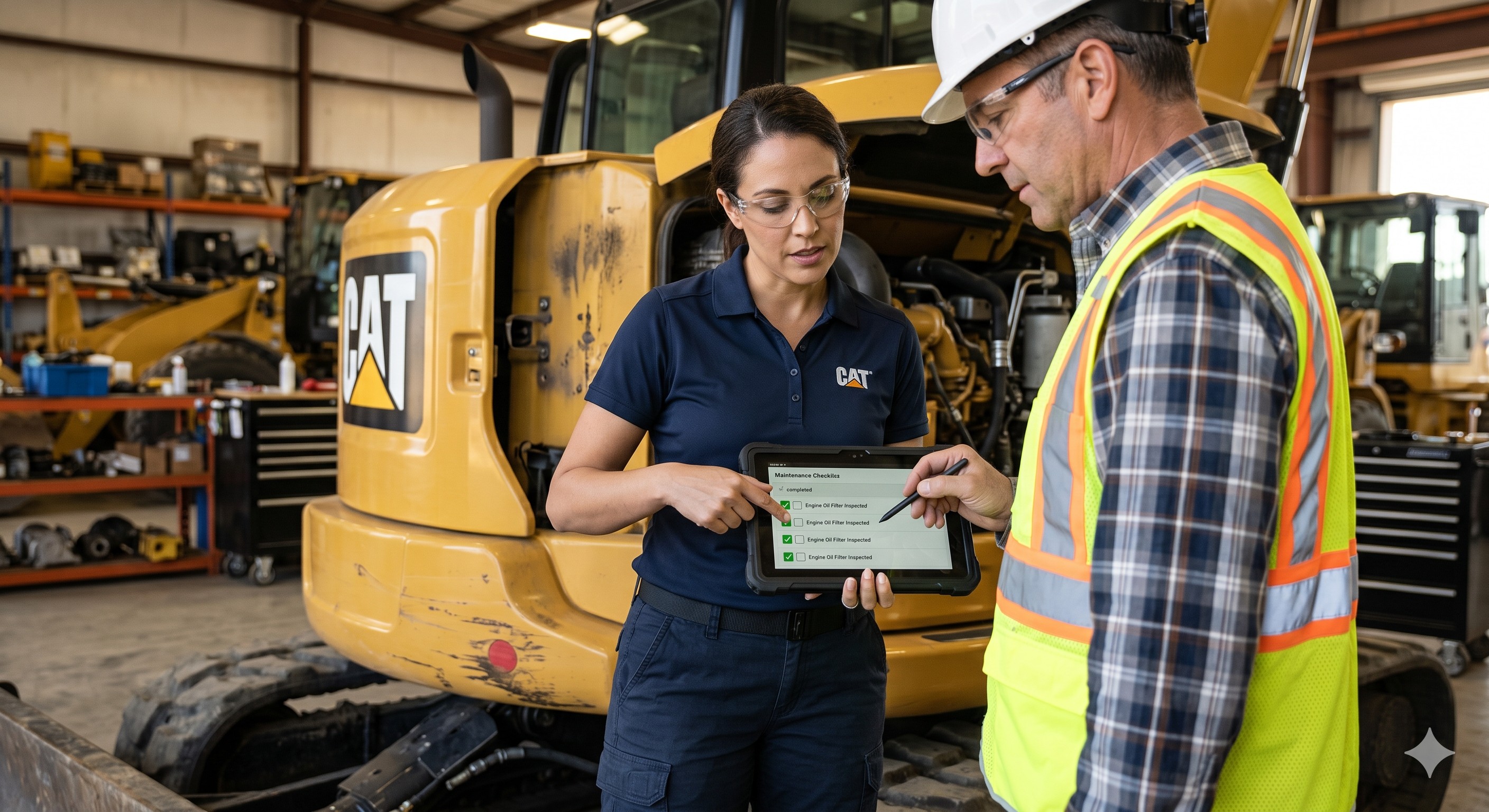
Daily (every 8-10 hours): check engine oil, coolant, hydraulic oil levels; inspect tracks for tension and debris; grease swing bearing and bucket pins. Weekly (every 40-50 hours): clean radiator and oil cooler cores; check alternator belt tension; drain water from fuel filter separator. Monthly (200 hours): replace engine oil and filter; sample hydraulic oil for contamination.
The highest-failure components are (1) track idlers and bottom rollers (wear every 2,000-3,000 hours), (2) bucket teeth and adapters (replace every 300-600 hours in abrasive material), (3) hydraulic cylinder seals (fail between 4,000-5,000 hours), and (4) swing bearing bolts (inspect each 1,000 hours). Stocking these parts reduces unplanned downtime by up to 70%.
Operating weight determines if a diesel excavator requires a lowboy trailer and oversize permit. A 20-ton class excavator weighs 19,500-21,500 kg (43,000-47,400 lbs) with a standard bucket and full fluids, which exceeds non-CDL limits in most states. For road transport, remove the bucket and track pads to stay under 26,000 lbs GVWR where applicable, or obtain a trip permit.
Retrofitting a Tier 3 diesel excavator to Tier 4 Final is generally not cost-effective or technically feasible because it requires replacing the entire aftertreatment system, engine ECU, and sensors. Instead, use verified retrofit devices like diesel oxidation catalysts (DOC) or closed crankcase ventilation (CCV) for non-attainment zones. Always check with your local air quality management district (AQMD) before any modification.






