Wheeled excavators combine the digging power of traditional tracked excavators with the road mobility of a wheeled loader, making them ideal for urban construction, municipal projects, and road maintenance. This guide answers the most critical B2B procurement and maintenance questions for fleet managers and equipment buyers.
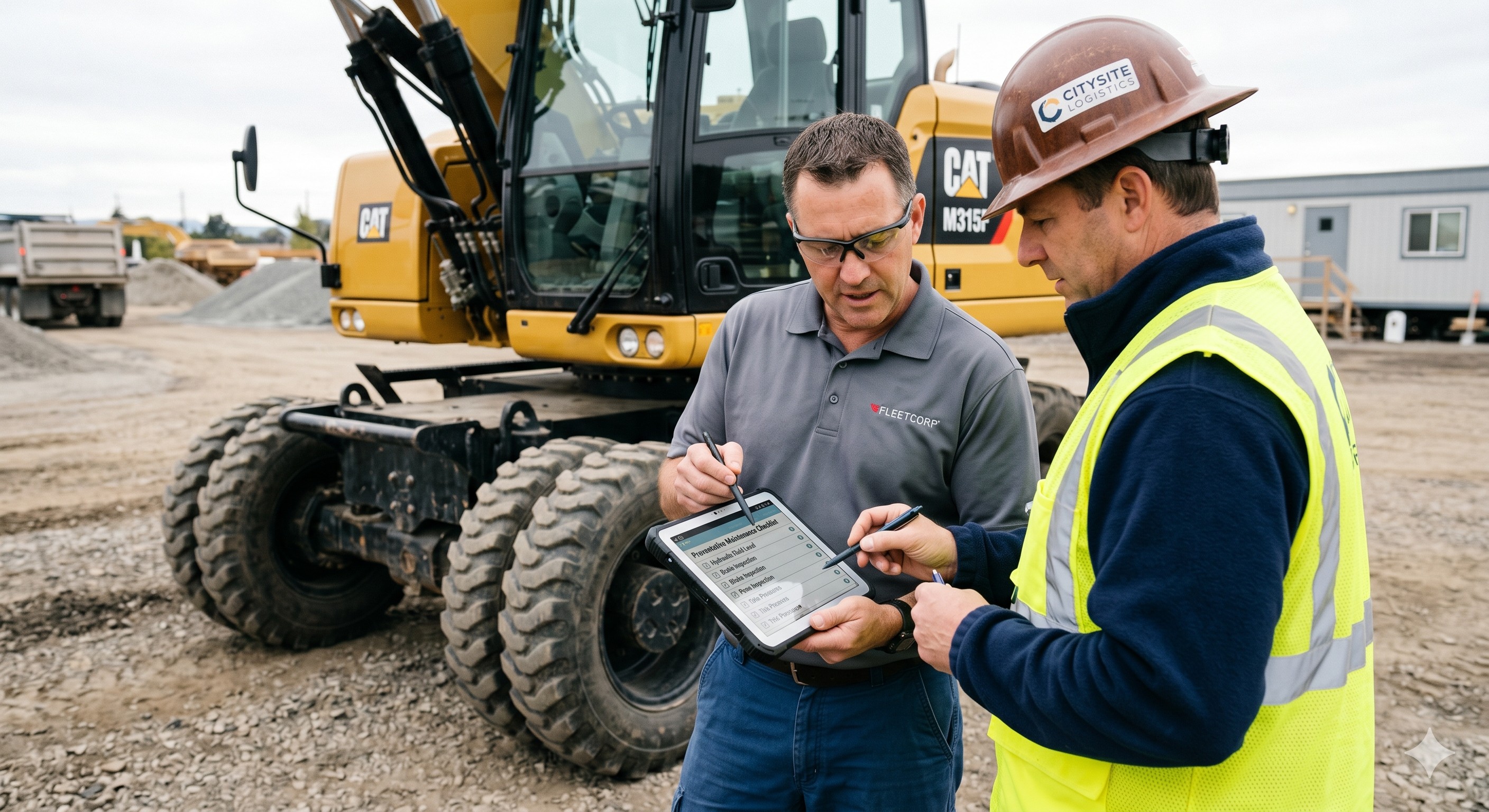
The standard operating payload for a 14-16 metric ton wheeled excavator ranges from 4,500 to 6,200 kg at standard stick length with a 0.5-0.7 cubic meter bucket. This capacity assumes proper counterweight configuration and stabilizer deployment. For example, a typical 15-ton wheeled excavator can safely lift 5,000 kg at a 3-meter radius when outriggers are fully extended. Procurement managers must verify the machine's load chart and consider that payload decreases roughly 30% when the excavator is operated on rubber tires without stabilizers.
All new wheeled excavators sold in North America and the EU must comply with Tier 4 Final (US EPA) and Stage V (EU) emission standards, respectively, which limit particulate matter to below 0.02 g/kWh and NOx to below 0.4 g/kWh. These standards require diesel particulate filters (DPF), selective catalytic reduction (SCR), and exhaust gas recirculation (EGR) systems. For global fleet managers, note that China has implemented China IV equivalent standards, while other regions may still allow Tier 3 or Stage IIIA machines. Always verify the engine's emission label and DEF (diesel exhaust fluid) consumption rate, typically 3-5% of fuel burn.
Wheeled excavators are compatible with any attachment that matches their auxiliary hydraulic flow rate (typically 80-160 L/min) and operating pressure (300-350 bar). Common compatible attachments include hydraulic breakers, augers, compaction plates, tilt rotators, and multi-processors. For compatibility verification, check three parameters: the attachment's required flow (L/min), pressure (bar), and return line pressure rating. Most manufacturers provide a dedicated auxiliary circuit with flat-face couplers. Fleet managers should also confirm that the wheeled excavator's rotation telematics support a continuous rotation attachment if needed. Always request a compatibility matrix from the OEM before purchasing high-value attachments.
The hydraulic fluid replacement interval for a wheeled excavator is every 2,000 operating hours or 12 months, whichever comes first, under standard working conditions. For severe applications (high ambient temperatures above 35°C, dusty environments, or heavy demolition), reduce the interval to 1,500 hours. Use an ISO VG 46 or VG 68 high-performance anti-wear hydraulic oil meeting OEM specifications (e.g., JCMAS HX-1 or ISO 11158). Implement a quarterly oil sampling and analysis program to detect water contamination (max allowable 0.05%) and ISO cleanliness codes (target 18/16/13). Extended drain intervals beyond 2,500 hours are only permissible with synthetic hydraulic fluids and bypass filtration systems, confirmed by oil analysis.
The five critical spare parts to stock for wheeled excavator fleet reliability are: engine fuel filters (change every 500 hours), pilot hydraulic filters (change every 1,000 hours), swing reduction gear oil seals (common failure at 3,000-4,000 hours), tire valve stems and repair plugs (road debris risk), and the main hydraulic pump coupling damper (average lifespan 5,000 hours). Additionally, keep two sets of axle brake pads per machine and a spare set of stabilizer cylinder seal kits. For high-utilization fleets (over 2,500 hours annually), maintain an inventory of the main control valve O-ring kit and a pre-programmed engine ECU. These parts typically have a lead time of 10-30 days from OEMs, making them stock-worthy to avoid 5-figure daily downtime costs.
The recommended tire pressure for a wheeled excavator on mixed surfaces (asphalt and compacted dirt) is 45-55 psi for 10.00-20 or 12.00-20 tires, adjusted based on the actual load per axle. For optimal traction and pavement protection, use solid or foam-filled tires (no air loss risk) or radial tires with an R4 industrial tread pattern. Lower pressures (35-40 psi) increase traction on soft ground but reduce tire lifespan by 20% and increase rolling resistance, raising fuel consumption by 7-10%. For exclusively on-road use, use ribbed highway tread at 60-65 psi. Always maintain a portable pressure gauge in the cab and check pressures before daily operation, as wheeled excavators are prone to sidewall damage from curbs and debris.
A slow boom raise response is most commonly caused by a worn main relief valve or contaminated pilot oil filter, not the main hydraulic pump. First, verify the pilot pressure is between 580-650 psi (40-45 bar) at the control valve. Then, perform a cylinder drift test: raise the boom fully and measure droop after 5 minutes - more than 2 inches (50mm) indicates internal seal leakage. For immediate troubleshooting: change the pilot filter (located near the cab base), clean the main relief valve seat, and check the boom cylinder piston seal using a bypass test. If the issue persists, measure pump flow at 3,000 psi; less than 80% of factory rating suggests pump wear. Most slow boom issues are resolved by replacing the pilot oil (ISO VG 32) and adjusting the main relief valve back to factory pressure using a calibrated gauge kit.
The average wheeled excavator retains 45-55% of its original purchase price after 5 years or 8,000 operating hours, assuming regular OEM maintenance and no major accidents. Depreciation is nonlinear: 20-25% in year one, 15% in year two, 10% annually thereafter. Machines with telematics, full service records, and original buckets command 10-15% higher resale value. For optimal residual value, sell between 4,000-5,000 hours before major component rebuilds (engine, swing drive, travel motors) are due. European brands (Volvo, JCB, Liebherr) typically retain 5-8% higher value than Asian brands in North American markets, while Caterpillar and Komatsu hold the highest absolute dollar value. Procuring with a 5-year buyback clause can guarantee 40% residual value.






